
Here’s Why Your Ceiling Is Sagging and How to Repair It
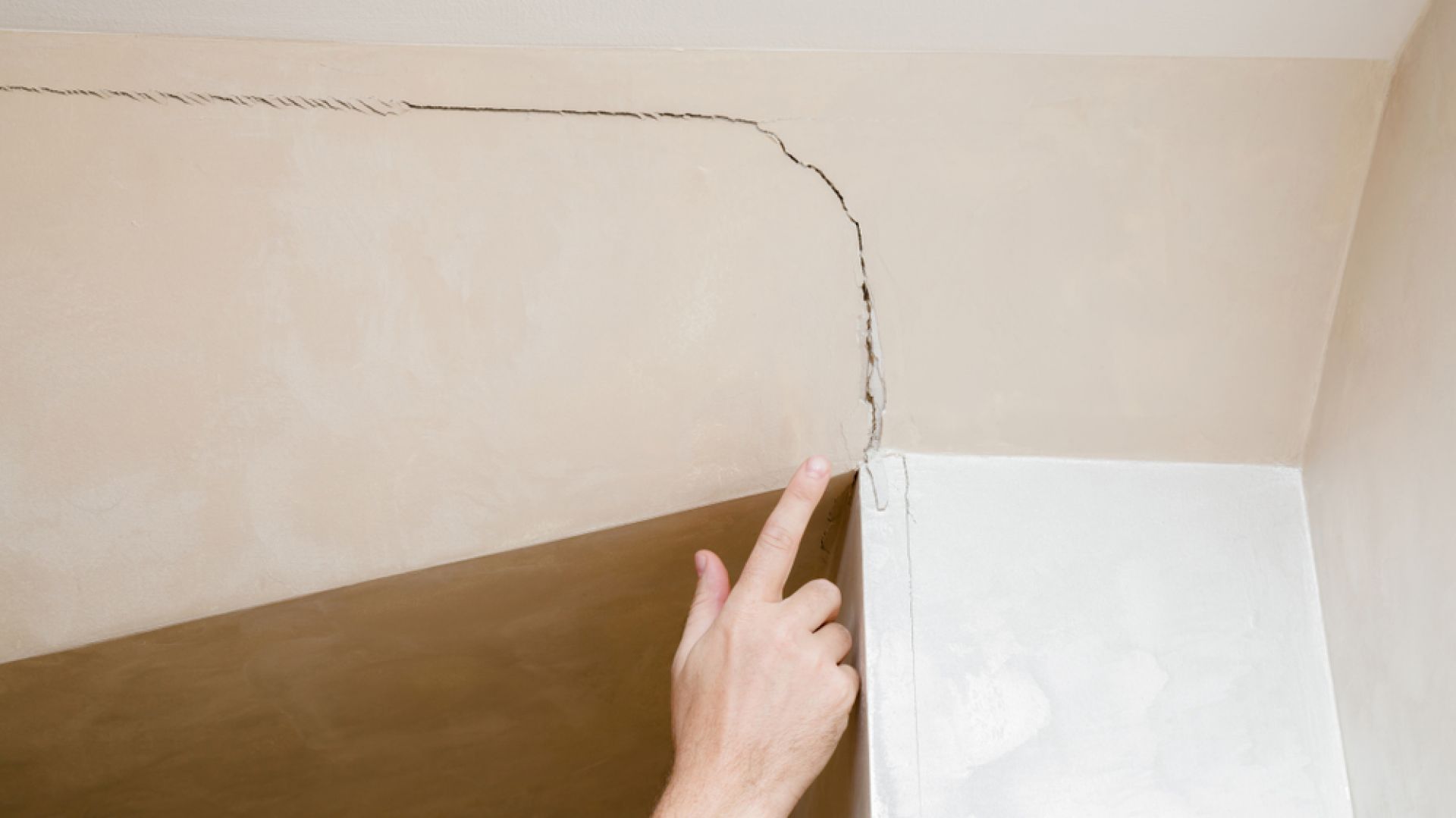
If you notice your garage ceiling sagging, it’s important to fix it right away. Ignoring the problem can lead to more serious damage and even safety hazards.
This guide will help you understand why your ceiling might be sagging, how to fix it, and how much it might cost.
Why is My Garage Ceiling Sagging?
Before you can fix a sagging ceiling, you need to know what’s causing it. Here are some common reasons:
1. Adhesive Failure
The plasterboard on your ceiling is usually held up by adhesive. Over time, this glue can fail, causing the plasterboard to detach from the ceiling joists or trusses and start sagging.
2. Not Enough Nails or Screws
Sometimes, the plasterboard isn’t secured with enough nails or screws. If these fasteners are too far apart, the ceiling can start to sag.
3. Structural Problems
Issues with the ceiling joists or trusses themselves can cause sagging. These structural elements might weaken over time or might not have been properly supported in the first place.
4. Old House
Older homes are more likely to have sagging ceilings because buildings naturally settle over time. Seasonal temperature changes can also make the foundation shift, which can affect the ceiling.
5. Water Leaks
Leaks from the roof can lead to water accumulating in the ceiling. This extra weight can cause the plasterboard to bulge and sag.
Look for water stains or mould as signs of a leak.
6. Vibrations
Constant vibrations from things like garage doors or heavy machinery can weaken the ceiling over time.
7. Termites and Pests
Termites and pests can damage the wooden parts of your ceiling. If they chew through the wood, the ceiling can start to sag.
How to Fix a Sagging Garage Ceiling
The way you fix your ceiling depends on how bad the sagging is and what’s causing it. Here are some ways to repair it:
Minor Sagging
If the sagging isn’t too bad and is mostly due to adhesive failure or not enough screws, you can try these fixes:
- Re-glue the Plasterboard
Get into the ceiling space and reapply the adhesive to the plasterboard, securing it to the joists or trusses. - Add More Screws
Use more screws to attach the plasterboard to the joists or trusses, placing them closer together (every 30cm or so) for a better hold. - Patch and Paint
Once the plasterboard is secure, patch any damaged areas and repaint the ceiling to make it look as good as new.
Severe Sagging
If the sagging is severe or there are structural issues, you’ll need more extensive repairs:
- Replace the Plasterboard
Remove the damaged plasterboard and replace it with new sheets. This ensures you get rid of all the compromised sections. - Add Support with Furring Channels or Battens
Install furring channels or battens to provide extra support to the ceiling. This helps distribute the weight more evenly. - Fix Structural Problems
Check the ceiling joists or trusses for any issues and repair or reinforce them as needed.
How Much Will It Cost?
The cost of fixing a sagging garage ceiling can vary a lot depending on how much work needs to be done. Here are some ballpark figures:
- Minor Repairs
Re-gluing and adding screws: This can cost between $1,600 and $2,500 for a standard garage. - Major Repairs
Replacing the entire ceiling: This can run from $3,000 to $5,000 for a single or double garage. - Additional Costs
Adding furring channels or battens: This will add to the overall cost, depending on the size of your garage and the complexity of the installation.
It’s a good idea to get multiple quotes from licensed tradespeople to make sure you’re getting a fair price. Think about the long-term durability of the repair when deciding which quote to go with.
How to Prevent Future Sagging
Preventing future sagging can save you time and money in the long run. Here are some tips:
- Check for Leaks
Regularly inspect your roof and ceiling for signs of water damage or leaks. Fix any issues right away. - Watch for Pests
Schedule regular inspections for termites and other pests. Professional pest control services can help prevent damage. - Maintain Structural Integrity
Make sure your garage door and other machinery don’t cause too much vibration. Reinforce any weak structural components as needed.
A sagging garage ceiling is a serious issue that you need to fix as soon as possible. Understanding the common causes and repair options can help you address the problem effectively.
Always consult with professional tradespeople to ensure the repairs are done correctly and safely. Regular maintenance and inspections can help keep your garage ceiling in good shape, protecting your home and your investment.
If you see signs of a sagging ceiling, don’t wait. Contact a professional ceiling repair service to assess the damage and recommend the best course of action.
Fixing the problem now can prevent more serious issues down the line and ensure the safety of your home.